The Last 10 Seconds - The Importance of Every THC Maxing Nudge
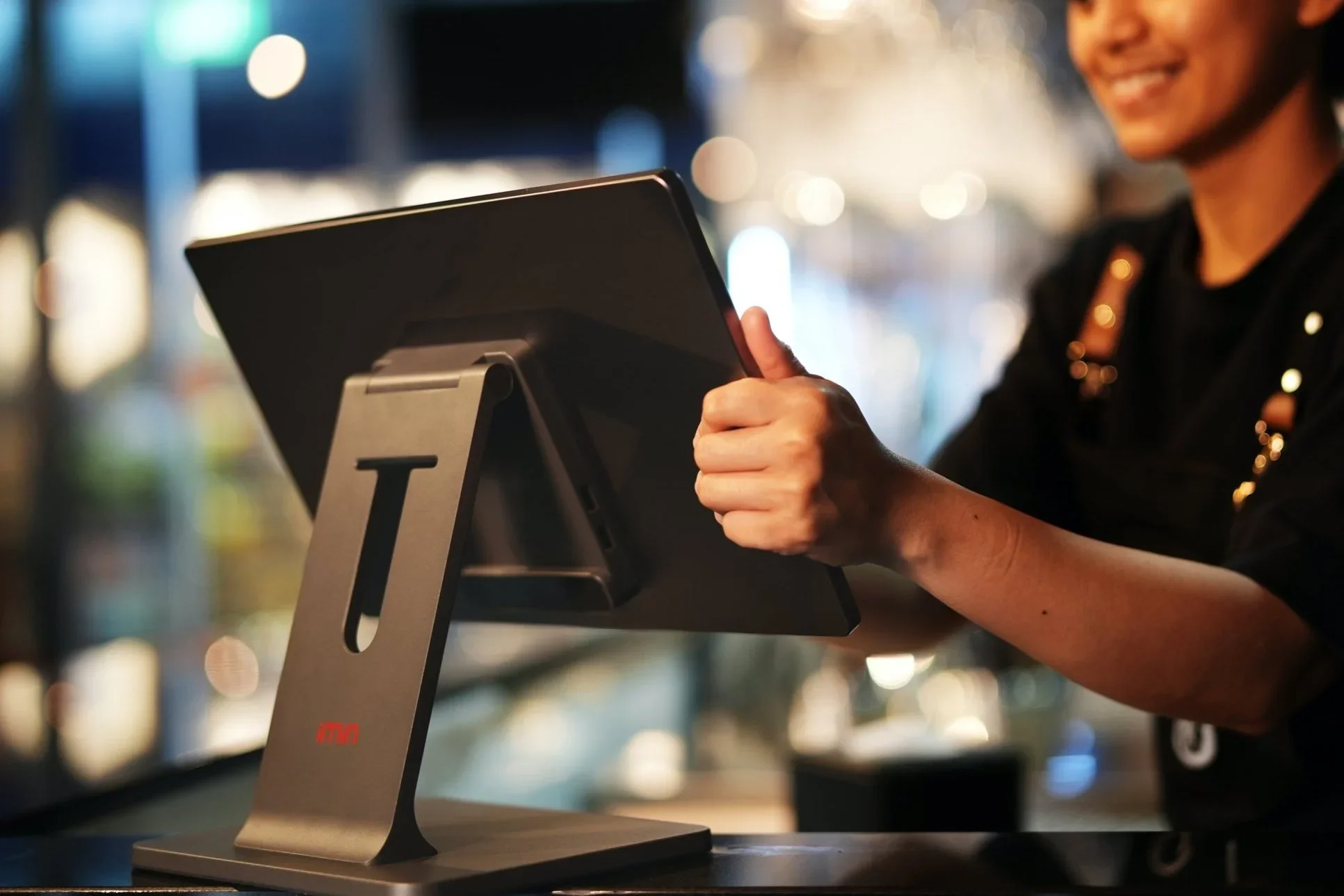
Most cannabis transactions take about two minutes.
The customer walks in, scans the menu, lands on THC and price, and makes a decision. The budtender confirms it. The customer pays and leaves.
That's the majority of it. That's where most interactions live.
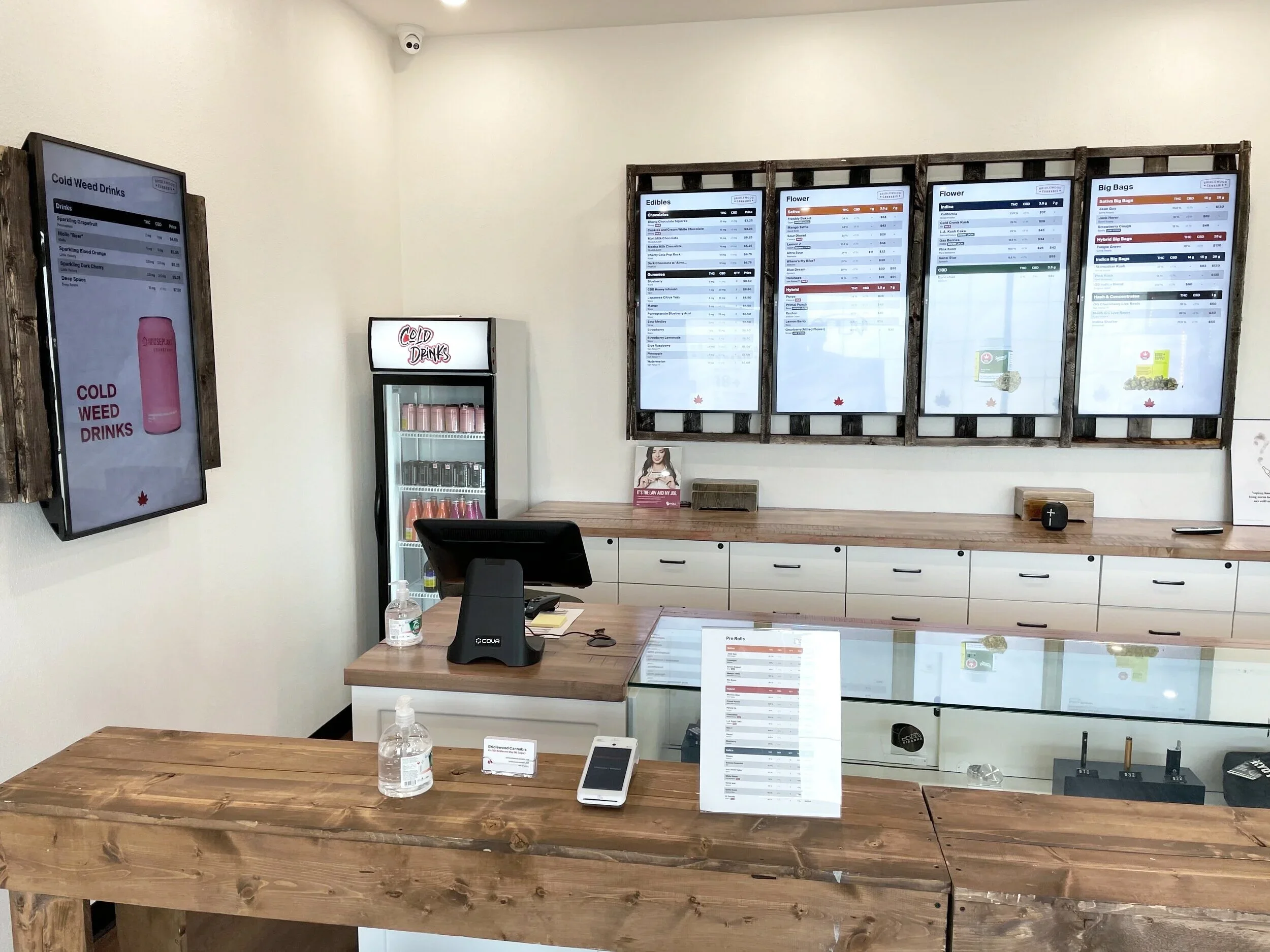
We've been sitting with a question: inside that two-minute window, what actually fits?
Not what should fit in an ideal world. What realistically fits without adding friction, slowing things down, or making the customer feel like they made the wrong choice.
What we keep coming back to is the last 10 seconds.
The purchase is already made. The customer isn't shopping anymore. They're done deciding. That moment, right at the end, is where a small piece of information lands differently than it would anywhere else in the transaction.
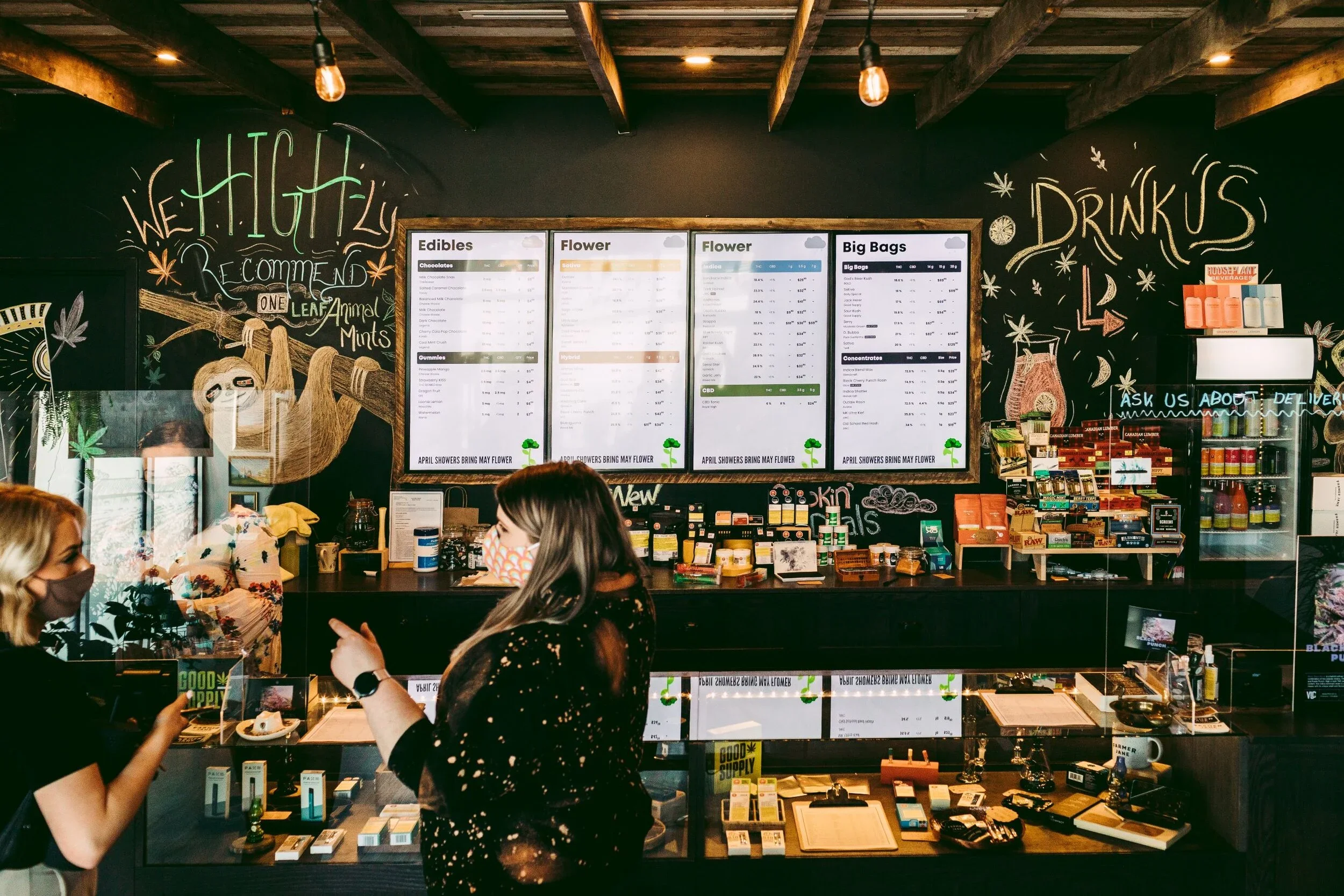
A nudge. One sentence. Something that names what they're already holding.
There's a specific type of customer the exit nudge is built for. They know what they want. Highest THC. Best price. They've done their version of the research and they're confident in it. Trying to redirect that mid-transaction doesn't work. Everyone who's worked a floor knows this.
The nudge works because it doesn't redirect anything. The decision is already made. The nudge just adds a small layer of context to what they chose.
"That one's liquid diamonds, enjoy."
"That's full spectrum, you might notice a fuller experience."
"Ceramic hardware on that one, let me know what you think."
One sentence. That's it. No lecture. No terpene breakdown. No attempt to turn a 90-second transaction into something else.
The customer leaves knowing one more thing about what they bought. And that one thing tends to stick.
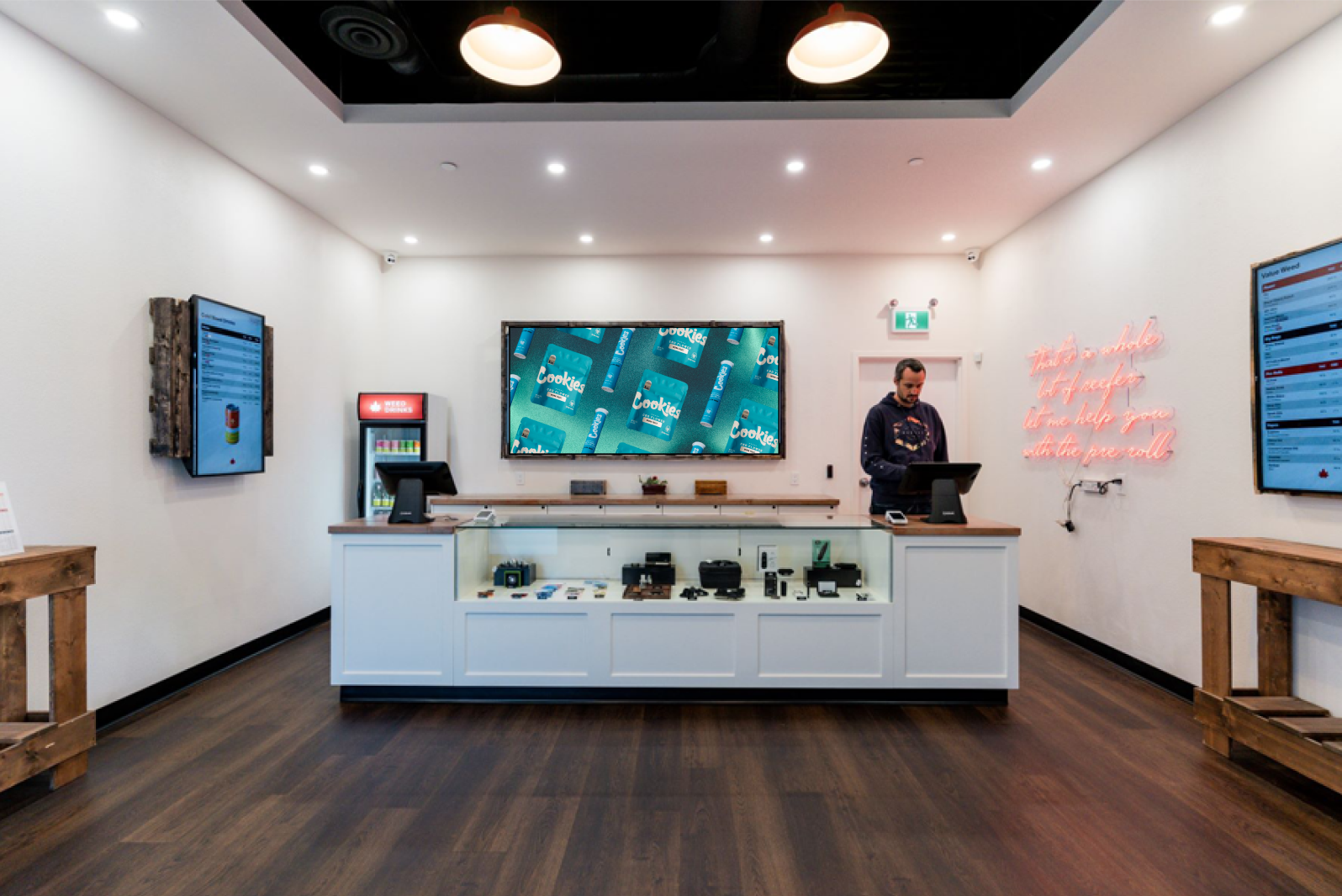
This isn't every customer.
Some people walk in wanting exactly that deeper conversation. They're already curious, already asking. The exit nudge isn't for them. What we're exploring here is the customer who has already decided before they reach the counter. The ones where the window is short and the job is to make that short window count.
What we've noticed is that the nudge works best when it acknowledges the selection rather than expanding it.
The customer picked that product. The nudge names something specific about it. That small acknowledgment does a few things at once.
It makes the purchase feel considered. The customer walked out with something that has a name, a quality, a reason to exist beyond its THC number. The budtender surfaced that without making anyone feel rushed.
Over time, that builds something. Customers start to understand why products are different. They start to ask about it. Not because they were educated mid-transaction, but because a detail landed at the right moment and they remembered it.
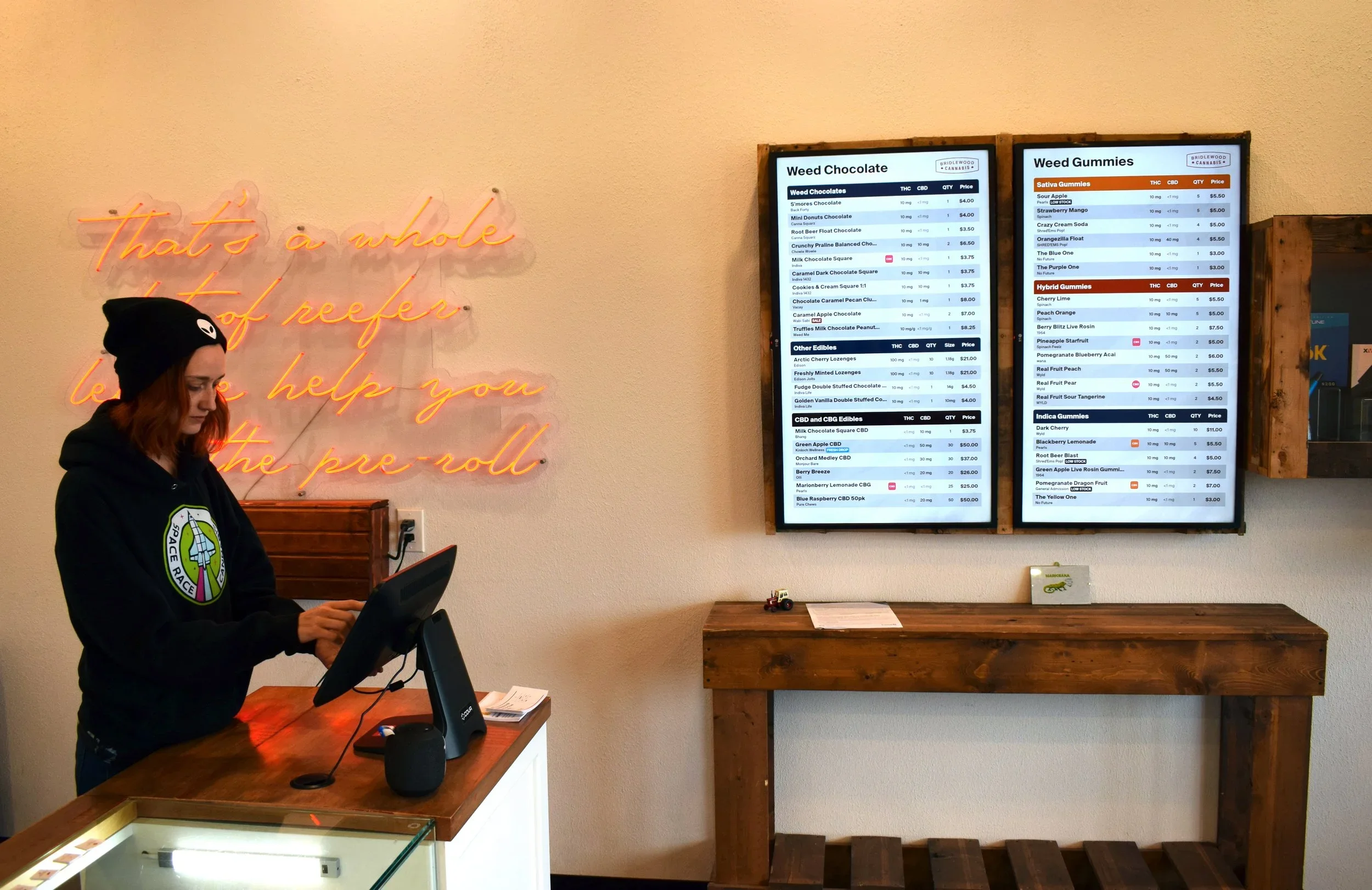
The exit nudge is also useful for the budtender.
High THC, best price transactions can feel flat. You hold a lot of knowledge and watch most of it sit unused. The nudge is a way to put one piece of that knowledge into the interaction without it becoming uncomfortable.
It reinforces what the customer already chose. It adds context. It makes the budtender part of the transaction rather than just the person who confirms the order.
We're continuing to explore what nudges work in which contexts and how to surface the right one quickly.
The goal isn't to change the transaction. The goal is to add one useful thing to it.
